
Memory care in Pittsburgh helps seniors stay grounded by providing consistent routines, familiar surroundings, and meaningful social connections that support emotional well-being and cognitive stability.
When memory loss disrupts familiar rhythms, even simple days can feel unsteady.
Pittsburgh's rolling hills, river crossings, and recognizable landmarks create a city defined by patterns and daily movement that residents instinctively know. That strong sense of place makes routine especially meaningful in memory care.
Memory care in Pittsburgh emphasizes predictable schedules, gentle cues, and consistent caregiver support to help seniors feel oriented and calm. Structured days reduce anxiety while encouraging participation and confidence. Routine becomes a stabilizing force rather than a restriction.
If you're exploring memory care in Pittsburgh, look for communities that balance structure with warmth and human connection.
What Is Memory Care and How Does It Work?
Memory care is a specialized form of senior living designed to support individuals experiencing cognitive decline, including Alzheimer's and other forms of dementia. Unlike traditional assisted living, these communities are intentionally structured to reduce confusion, promote safety, and reinforce familiarity. The goal is to create an environment where seniors feel oriented, calm, and supported.
At its core, memory care combines trained caregiving with thoughtfully designed spaces and predictable routines. Care teams use repetition, gentle guidance, and consistent daily schedules to help residents navigate each day with confidence. This structure allows seniors to function at their highest possible level.
For families exploring dementia care in Pittsburgh, PA, memory care offers reassurance through specialized staffing, secure layouts, and personalized care plans. Rather than focusing on limitations, memory care emphasizes dignity, comfort, and meaningful engagement. It's care designed around how memory loss truly affects daily life.
Why Is Routine Essential for Seniors With Memory Loss?
For seniors with memory loss, uncertainty can quickly lead to stress, agitation, and withdrawal. Consistent routines create a sense of predictability that helps the brain recognize what comes next, even when short-term memory is impaired. Knowing what to expect brings calm and emotional security.
Daily repetition supports familiarity, which is critical as cognitive changes progress. Regular wake-up times, meals, and activities reduce the mental effort required to make decisions throughout the day. Less decision-making means less frustration and fatigue.
Routine also reinforces identity and independence in small but meaningful ways. When seniors can anticipate parts of their day, they're more likely to participate and feel capable. Structure becomes a tool for confidence, not control.
How Memory Care Communities Create Daily Structure
Memory care communities are designed to make every day feel familiar and manageable by building predictable rhythms into residents' lives. In structured environments, the day unfolds in ways that mirror natural habits, from gentle morning greetings to planned lunchtime and evening wind-downs, so seniors can orient themselves without constant stress. This predictable flow helps reduce confusion and supports overall cognitive wellness.
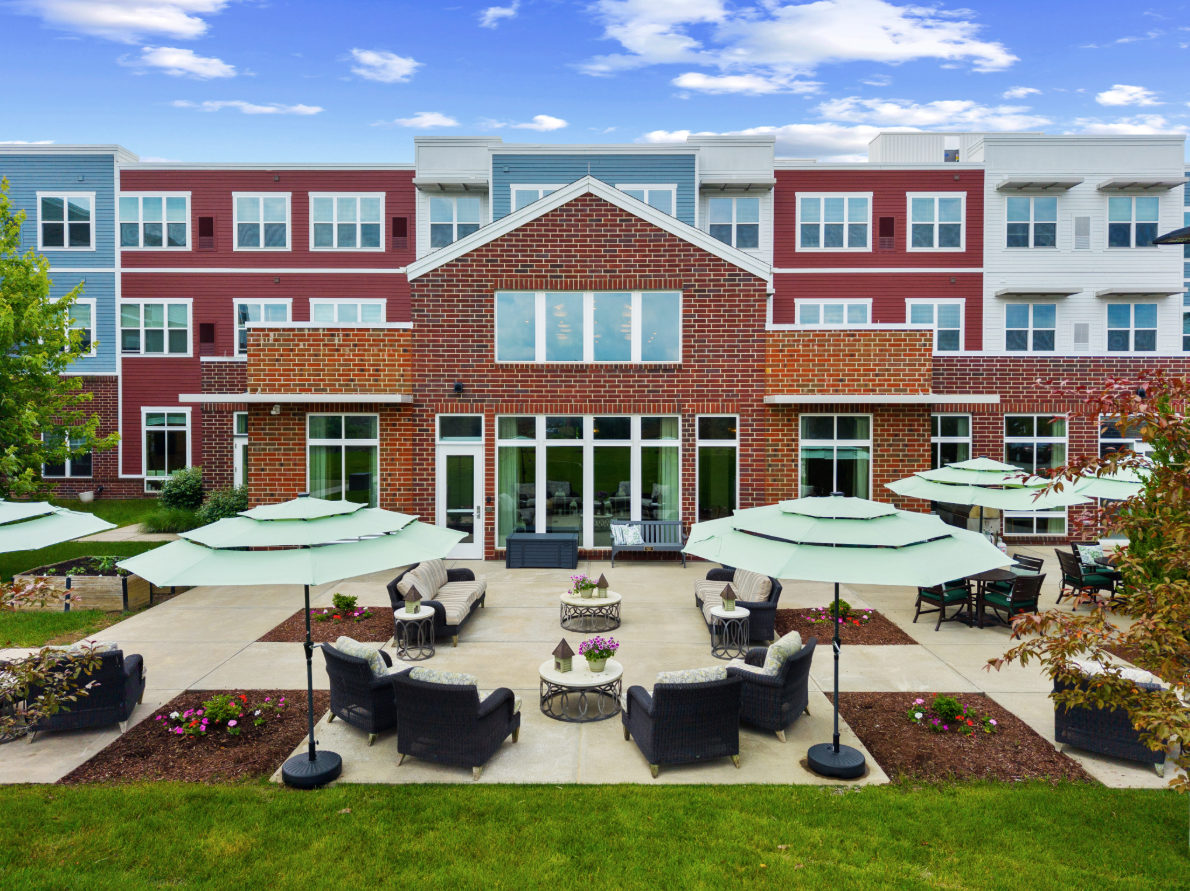
At Discovery Commons at Bethel Park, thoughtfully planned activities and daily programs give residents reasons to look forward to each part of the day. Residents engage in interactive art sessions, music programs, and small-group activities that match their energy levels and abilities, fostering enjoyment and confidence as routines unfold. Care teams focus on creating schedules that feel familiar rather than forced.
Daily structure goes beyond activities -- meals, rest periods, and social times are scheduled in ways that help the brain anticipate what comes next. Communal dining, consistent snack times, and wellness checks are woven into the fabric of the day, helping seniors stay grounded and oriented. The end result is a sense of flow that feels both natural and reassuring.
The Role of Connection in Memory Care
Connection gives routine its emotional meaning, turning scheduled moments into opportunities for reassurance and belonging. Regular interaction with caregivers and peers helps seniors feel recognized, understood, and less isolated. Familiar faces provide emotional grounding when memory feels uncertain.
In memory care settings, connection is built intentionally through shared experiences and gentle social engagement. Small group interactions reduce pressure while encouraging participation at a comfortable pace. Relationships grow through consistency, not force.
Connection often shows up in simple, repeatable moments that feel safe and familiar, such as:
- Breakfast conversations with the same tablemates
- Recognizable caregivers offering daily check-ins
- Group activities designed around shared interests
These touchpoints help seniors stay emotionally anchored throughout the day.
How Caregivers Support Routine and Relationships
Caregivers play a central role in helping seniors feel steady and secure throughout the day. By maintaining consistent staffing and familiar faces, they build trust that allows routines to unfold naturally rather than feeling imposed. Continuity creates comfort and reduces anxiety.
Daily support is delivered through gentle guidance, clear communication, and respectful reminders that honor each resident's pace. Caregivers learn personal preferences, life histories, and habits, allowing care to feel familiar and individualized. Routine becomes personal when it reflects who someone is.
Beyond structure, caregivers nurture meaningful relationships through presence and patience. Simple conversations, shared laughter, and attentive listening reinforce dignity and belonging. Strong relationships turn care into connection, not just assistance.
FAQs
How Does Memory Care Support Seniors With Alzheimer's?
Memory care offers personalized Alzheimer's support through consistent routines, calm environments, and caregivers trained in dementia-specific communication. This approach helps reduce agitation while promoting dignity and emotional comfort. Support is proactive rather than reactive.
What Types of Daily Activities Are Offered in Memory Care?
Daily schedules often include music, movement, creative expression, and small-group social time tailored to residents' abilities.
How Can Families Stay Involved After a Move to Memory Care?
Families are encouraged to visit, communicate with care teams, and participate in community events when possible. Ongoing collaboration helps ensure care remains aligned with a resident's needs and preferences.
What Helps New Residents Adjust to Memory Care?
Familiar routines, consistent caregivers, and personalized spaces help ease the transition. Gradual introductions to activities reduce overwhelm during the early days.
Memory Care in Pittsburgh: Staying Grounded Through Routine and Connection
Memory care in Pittsburgh is most effective when routine and connection work together to create calm, predictable days. Structured schedules reduce anxiety, while familiar caregivers and shared moments help seniors remain emotionally engaged.
At Discovery Commons at Bethel Park, routine-driven care is paired with genuine connection to support each resident's journey. Families seeking clarity and confidence can explore a setting designed for comfort and continuity.
Schedule a visit to see how thoughtful memory care can bring stability and peace of mind.