
Comparing memory care vs. personal care helps seniors find the right community. Those who want independence but need support with daily tasks need personal care. Those with major cognitive decline need memory care.
According to the NIC, the occupancy rate of senior living communities is approximately 87.5%.There aren't enough communities to fit everyone, so it becomes more important than ever to pick the right one.
One of the most important factors is how much cognitive decline a senior is experiencing. The Alzheimer's Association says that approximately 7.2 million Americans have Alzheimer's. Determining whether a senior has it and what stage of the disease they're in is the first step in finding the right community.
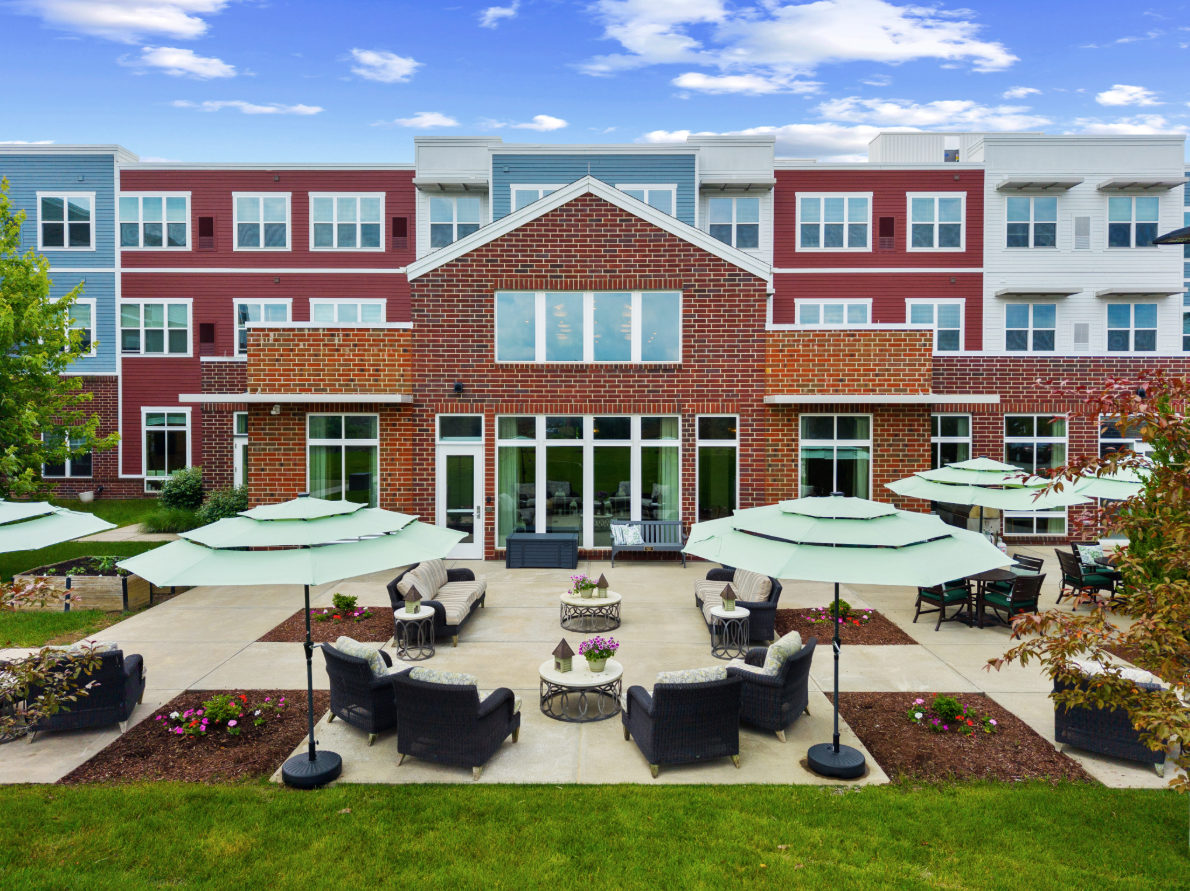
Senior living in Pittsburgh, PA, offers a home in a beautiful area with a rich history. It's full of stunning views, including the beautiful Discovery Commons in Bethel Park.
What Comes Under Personal Care?
Personal care communities offer assistance to seniors who are mostly independent. You may not even realize that there is anything they can't do on their own.
However, their family and friends know they need support. They struggle with activities of daily living, also known as ADLs. According to the Cleveland Clinic, these may include:
- Bathing
- Personal hygiene
- Toileting and continence
- Eating
- Dressing
- Moving and transferring
Personal care communities have reliable staff. They're always ready to help with daily activities.
Personal care is one of the best cognitive care options for seniors with mild cognitive issues or in the early stages of dementia.
Apartments are private or semi-private. They give residents independence while keeping them safe.
A personal care community's activities and amenities are designed to be social and wellness-focused. Options could include anything from a gym for exercise or group gatherings to prevent isolation.
What Does Memory Care Mean?
A memory care community is specifically designed for seniors with cognitive impairments, especially those with dementia.
The staff is trained in Alzheimer's support. They know how to keep residents safe and how to react when the disease causes strange reactions.
The community is designed to be safe and calming. Apartments use simple colors. Guides show them where to walk. The doors are secure to prevent wandering.
Activities at a memory care community stick to a strict schedule. They may include therapies to help with memory, such as music therapy and reminiscence therapy.
Memory care does tend to cost more than personal care. This is because of:
- Specific staff requirements
- Higher level of care
- Enhanced security
Deciding Between Memory Care vs. Personal Care
When you do a thorough memory care and personal care comparison, you'll realize they have a lot in common. They both offer the same basic services, such as:
- Help with ADLs
- Meals
- Housekeeping
That doesn't mean they're the same. Consider what sets each community apart to determine which one is best suited for you.
Personal care is best for seniors in the early stages of cognitive decline. They can engage in daily routines and get help with ADLs to have the best possible life.
There are several signs that memory care may be the better option.
One of the most important signs is indications of serious cognitive decline. Are they beginning to have serious memory loss? Do they struggle to maintain routines and participate in activities? Are they wandering or engaging in other unsafe activities?
How to Find a Community
Deciding between memory care vs. personal care helps you find the right category, but the next step is to choose the right community.
The process should always begin with the senior who's moving. Talk to them about where they want to go. Think about what they need.
Consider your budget as well. Find a community that provides a balance of affordability and quality. Obtain a comprehensive list of all their fees so you won't be left with unexpected charges on your bills.
Check out the community online. Look at their reviews to determine if their reputation is positive or negative.
Arrange a tour with the community. It's a useful way to get a sense of what it's like before you sign on the dotted line. Make sure that it's clean and comfortable. Talk to the current residents and ask them what they think about it.
It's also important to think about a senior's long-term needs. Having both a personal care and a memory care community means they have both options and will always have enough support as they age.
Frequently Asked Questions
What Qualifies a Person for Memory Care?
The qualifications for seniors to enter a memory care community vary from state to state. The one that applies across almost all of them is a formal Alzheimer's or dementia diagnosis.
Other qualifications may include:
- Loss of basic self-care
- Unsafe living conditions
- Caregiver burnout
How Can You Tell What Stage of Dementia a Person Is In?
A professional diagnosis is the most reliable way to know for sure what stage of dementia a person is in.
However, there are signs to look for. Look at their cognitive, emotional, and physical abilities.
Seniors in the early stages may experience minor memory lapses and word-finding difficulties. Take notice if these become worse than normal.
Those in the later stages will experience serious communication issues and may not be able to speak at all. They'll also struggle with mobility and completing daily tasks.
Can You Slow Down Dementia If It's Caught Early?
Yes, you can. It's all about looking at the underlying causes and living a healthier lifestyle.
This isn't a cure for dementia, but it can help. Seniors in a personal care community may be able to maintain their minds to the point where they don't need to move to a memory care community.
Find Dementia Care in PA
Comparing memory care vs. personal care helps seniors decide between them based on factors such as independence, cognitive decline, and safety.
Discovery Commons Bethel Park is proud to offer Pittsburgh memory support through personal care and memory care.
Our staff is always prepared to meet the needs of our residents. We provide a maintenance-free lifestyle so they can focus on the community's exciting daily amenities. We want to create a higher standard of living for residents to enjoy.
Contact us to set up a tour of our communities today.