
Summary
Managing long-distance caregiving for a parent in Pittsburgh requires a thoughtful combination of professional support, technology, and local resources to turn worry into an organized plan. Whether you're coordinating care from across the country or nearby, the right framework makes oversight from afar more manageable and less isolating.
- Geriatric care managers act as your local eyes and ears, attending appointments, evaluating safety concerns, and connecting your family with Pittsburgh senior care resources
- Technology tools like video chat, medical alert systems, and smart home devices help you monitor wellness and notice changes in your parent's health or routine
- Build a trusted local support network including neighbors, doctors, faith communities, and friends who can check in and respond to emergencies
- Ensure legal documents like durable power of attorney for health care and finances are in place to allow decision-making from a distance
- Consider senior living communities with personal care or memory care services when remote support cannot fully address safety, isolation, or changing health needs
Caring for a parent from hundreds or thousands of miles away brings practical and emotional challenges. When you are managing parent care from afar in Pittsburgh while building your life elsewhere, you need dependable ways to coordinate appointments, respond to emergencies, and make sure daily needs are being met.
The good news is that understanding Pittsburgh senior care resources can help turn constant worry into a clearer plan. With the right mix of technology, professional guidance, local contacts, and community-based support, long distance caregiving for a parent in Pittsburgh can feel more organized and less isolating.
Professional Care Management Services
Geriatric care managers can serve as your local eyes and ears in Pittsburgh. These professionals provide personalized planning and coordination for families who cannot be nearby every day.
Their support may include:
- Visiting your parent to evaluate changing needs or safety concerns
- Attending medical appointments and reviewing medication routines
- Sharing updates with family members in different locations
- Identifying small concerns before they become urgent issues
Many care managers work independently or through local agencies, including the Allegheny County Area Agency on Aging. Because they understand Pittsburgh senior care resources, they can help connect your family with services that fit your parent’s needs. This kind of partnership can be especially helpful for families managing out of state aging parent care.
Technology Solutions for Remote Caregiving Support
Technology can help bridge distance, especially when it supports regular communication and practical wellness checks. These tools do not replace in-person connection, but they can give families helpful information from afar.
Remote caregiving support services may include:
- Video chat platforms for regular face-to-face conversations
- Medical alert systems with fall detection
- Smart home devices that can flag unusual patterns
- GPS-enabled devices for older adults who may wander
- Automated medication dispensers that support timing and dosage routines
These tools can help you notice changes in appearance, mood, routine, or cognitive function. They also make it easier to decide when more support may be needed.
Building a Local Support Network
A reliable Pittsburgh-based support network strengthens your ability to provide oversight from a distance. Think of it as building a team of trusted people who can help keep your parent connected and supported.
Helpful local contacts may include:
- Neighbors who can check in or notify you of concerns
- Your parent’s primary care physician, pharmacist, and specialists
- Faith communities, senior centers, or volunteer visitor programs
- Friends or relatives who can help during weather events or emergencies
These connections can reduce isolation while creating multiple points of contact for your parent’s well-being. They can also be invaluable during sudden health changes, winter weather, or transportation challenges.
Financial and Legal Preparation
Having the right legal documents in place protects your ability to help from afar. Your parent should have a durable power of attorney for health care and finances, naming you or another trusted person as agent. These documents can allow you to make decisions, access information, and coordinate services if your parent needs help communicating or managing details.
It is also helpful to understand your parent’s financial situation, insurance coverage, and benefits. Medicare, supplemental insurance, veterans benefits, long-term care insurance, and Pennsylvania Medicaid may each play a role depending on eligibility and need.
When In-Community Support Is Not Enough
Sometimes remote wellness checks and in-home services cannot fully address safety concerns, social isolation, or changing health needs. Recognizing that more support may be needed is not a failure. It is often a caring and practical step.
Signs that a senior living community may be worth considering include:
- Frequent falls, medication errors, or missed meals
- Growing difficulty coordinating multiple services from a distance
- Increased isolation even with family calls and local check-ins
- More consistent need for help with bathing, dressing, or medication management
- Cognitive changes that call for a structured, supportive setting
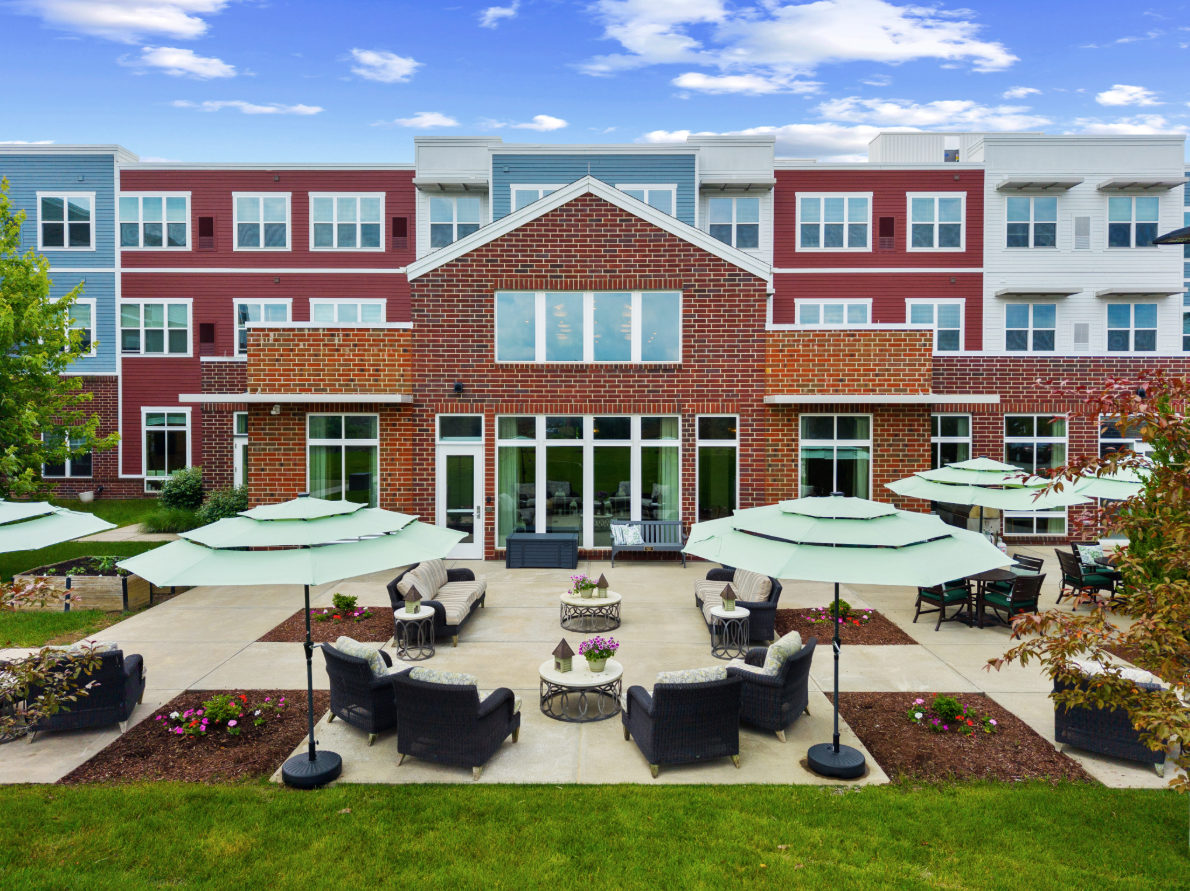
Personal Care at Discovery Commons Bethel Park offers support with daily living needs, including bathing or showering assistance, dressing assistance, medication assistance, housekeeping, linen services, maintenance, and scheduled transportation. The community also offers chef-prepared meals, social hours, a bistro area, an art studio, a movie theater and entertainment room, an outdoor courtyard, a beauty salon and barber shop, and on-site physical and occupational therapy.
For residents living with dementia, SHINE® Memory Care at Discovery Commons Bethel Park provides a structured, personalized approach. The SHINE® Memory Care Program is recognized by the Alzheimer’s Association® and is built around science-based support, engagement, family collaboration, team member training, dining, and neighborhood design.
Located at 2000 Cool Springs Drive in Pittsburgh, Discovery Commons Bethel Park offers Personal Care and SHINE® Memory Care in a comfortable, home-like setting that can help families feel more connected, even when they live out of state.
Accessing Pittsburgh Family Caregiver Help
The Allegheny County Area Agency on Aging connects families with counseling, support groups, respite resources, and information about local services. Their specialists can help families understand Medicare, Medicaid, and community-based programs.
Local hospitals and health systems may also provide caregiver education programs, including options that are accessible online. Support groups for families coordinating care from a distance can be useful as well, especially when you want practical advice from people facing similar decisions.
Pittsburgh family caregiver help resources recognize that managing a parent’s needs from another city or state requires a different kind of planning than hands-on daily support.
FAQ: Long-Distance Caregiving in Pittsburgh
What Is the First Step in Managing Parent Care From Afar?
Start by creating a shared contact list, reviewing legal documents, and identifying one or two local people or professionals who can check in when needed. From there, you can build a more complete plan around medical care, transportation, meals, safety, and social connection.
When Should Families Consider Personal Care or Memory Care?
Families may want to explore senior living when a parent needs consistent help with daily routines, medication management, meals, safety, or social engagement. If cognitive changes are affecting daily life, a specialized program like SHINE® Memory Care at Discovery Commons Bethel Park may provide a more structured and supportive environment.
Finding the Right Support From a Distance
Long-distance caregiving is rarely simple, but it becomes more manageable with a clear plan. Professional guidance, technology, local Pittsburgh senior care resources, and trusted community support can help you stay involved in meaningful ways.
For families comparing out of state aging parent care options, Discovery Commons Bethel Park offers a comfortable Pittsburgh setting with Personal Care, SHINE® Memory Care, chef-prepared dining, scheduled transportation, housekeeping, engaging events, and supportive team members.
Schedule a tour of Discovery Commons Bethel Park to learn more about Personal Care and SHINE® Memory Care in Pittsburgh, PA.