National Nutrition Month is a helpful reminder that the foods we eat can support the way we think, remember, and feel each day. For older adults, brain healthy foods for seniors can be a simple part of a broader wellness routine that supports focus, energy, and cognitive health.
Nutrition for cognitive health becomes more important with age. A balanced approach, built around colorful produce, healthy fats, whole grains, and familiar meals, can help support the brain while making eating feel enjoyable and sustainable.
The Power of Omega-3 Rich Foods
Fatty fish such as salmon, sardines, and mackerel are often recommended as part of a senior brain health diet. These fish contain omega-3 fatty acids, which help support brain cell structure and may play a role in managing inflammation.
For older adults who do not enjoy fish, plant-based foods can also help add healthy fats to meals and snacks. The key is consistency. Small servings throughout the week are often easier to maintain than occasional large portions.
Simple omega-3 options include:
Walnuts added to oatmeal, yogurt, or a snack plate
Ground flaxseeds stirred into smoothies or warm cereal
Chia seeds mixed into pudding, fruit bowls, or breakfast foods
Salmon or sardines served with vegetables and whole grains
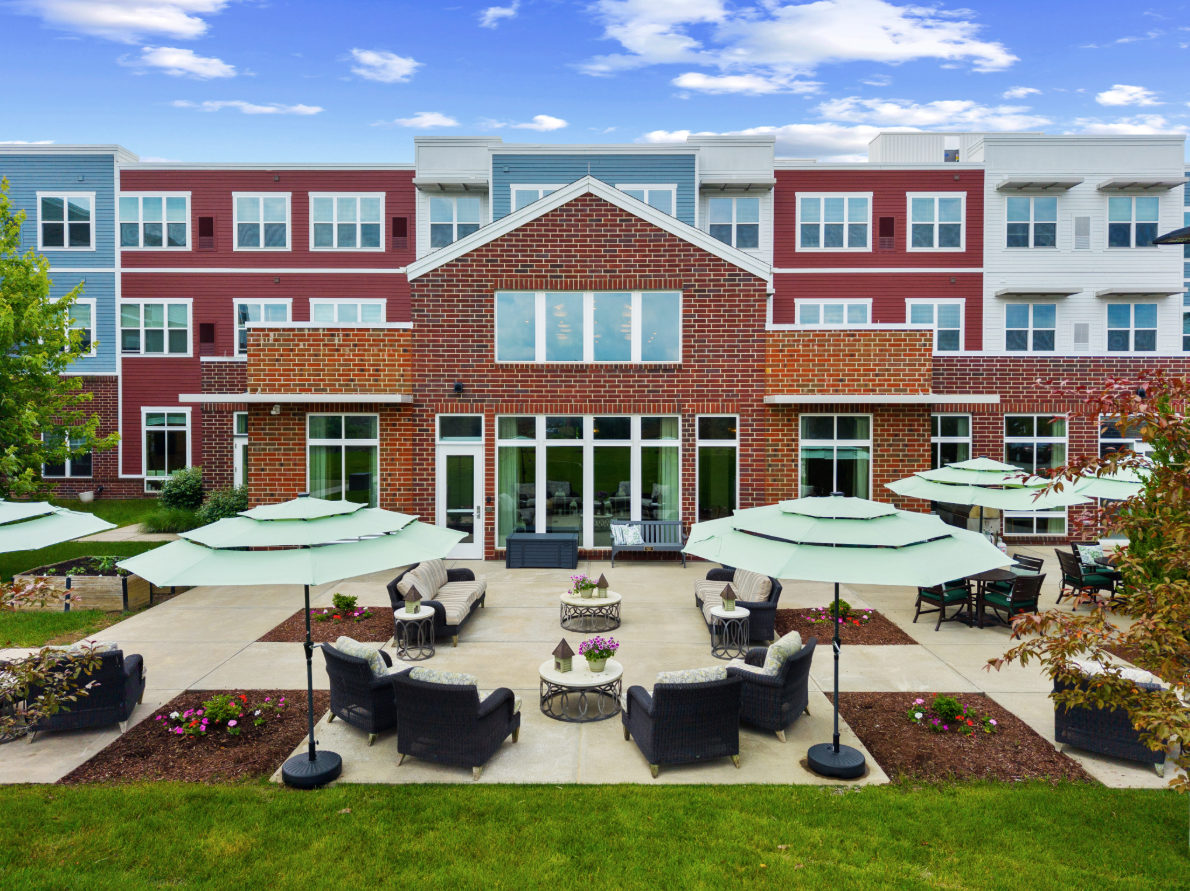
At Discovery Commons Bethel Park in Pittsburgh, PA, dining can play an important role in daily wellness. Chef-prepared meals, restaurant-style dining, and thoughtful menu planning can make memory boosting foods older adults may benefit from easier to enjoy in a comfortable setting.
Colorful Berries and Antioxidant Support
Blueberries, strawberries, raspberries, and blackberries bring color, flavor, and valuable plant nutrients to the plate. Berries contain antioxidants, including flavonoids, that help protect cells from oxidative stress. They also fit easily into everyday meals without requiring major changes.
Fresh and frozen berries can both be useful, making them available throughout the year. A small portion at breakfast or as an afternoon snack can support a healthy eating pattern over time.
Easy ways to add berries include:
Topping oatmeal, cereal, or whole grain pancakes
Mixing berries into yogurt or cottage cheese
Blending berries into smoothies
Serving berries with a small handful of nuts
Adding them to salads for natural sweetness
These small additions can help make brain-supportive nutrition feel approachable. Families looking for the best foods prevent memory loss often appreciate choices that are familiar, flexible, and easy to repeat.
Leafy Greens and B-Vitamin Benefits
Dark leafy vegetables such as spinach, kale, collard greens, and Swiss chard are rich in nutrients connected to brain and body wellness. They provide folate, vitamin K, lutein, and other compounds that support a balanced anti-inflammatory diet. This diet is found in many dementia research studies to help promote wellbeing.
For residents in Personal Care at Discovery Commons Bethel Park, familiar vegetables can be served in ways that feel comforting and easy to enjoy. Greens can be added to soups, folded into omelets, served with roasted vegetables, or prepared as a simple side dish.
For residents in SHINE® Memory Care at Discovery Commons Bethel Park, consistency and familiarity can be especially meaningful. Meals that include recognizable ingredients, calm dining routines, and supportive cues can help residents living with dementia feel more comfortable at mealtime.
Whole Grains for Steady Energy
The brain uses glucose for energy, but the source matters. Whole grains release energy more gradually than refined grains, which can help support steadier focus throughout the day. They also provide fiber and B vitamins, making them a practical part of a senior brain health diet.
Simple whole grain choices include:
Oatmeal topped with berries and walnuts
Brown rice served with vegetables and lean protein
Whole wheat toast or sandwiches
Quinoa added to bowls, soups, or side dishes
Whole grain pasta paired with vegetables
This approach does not require complicated recipes. In many cases, small swaps can make familiar meals more nutrient-rich while still keeping them enjoyable.
Creating a Sustainable Eating Pattern
Knowing which foods support brain health is helpful, but the real benefit comes from building repeatable habits. A balanced anti-inflammatory diet may include fatty fish, berries, leafy greens, whole grains, nuts, seeds, and plenty of water while limiting highly processed foods and excess added sugar.
This is one reason senior living can be helpful for some families. Regular meals, welcoming dining spaces, and support from a culinary team can reduce the daily burden of planning, shopping, and cooking. At Discovery Commons Bethel Park, residents can enjoy chef-prepared meals, housekeeping, salon and barbershop services, therapy services, and scheduled transportation, depending on their needs and preferences.
Families can also learn more about senior living options and Senior Living Programs when considering how nutrition, wellness, and daily support fit together.
FAQ: Brain-Healthy Eating for Older Adults
What are the Best Brain Healthy Foods for Seniors?
Fatty fish, berries, leafy greens, whole grains, nuts, seeds, and colorful vegetables are all strong choices for everyday meals.
Can Food Prevent Memory Loss?
No food can guarantee prevention. However, a balanced eating pattern may support brain health and overall wellness as part of a healthy lifestyle.
How Can Families Make Brain-Healthy Eating Easier?
Start with familiar foods. Add berries to breakfast, choose whole grains, serve leafy greens with meals, and keep healthy snacks easy to reach.
Is an Anti-Inflammatory Diet Helpful for Dementia?
An anti-inflammatory eating pattern may support overall wellness. Families should speak with a medical provider about nutrition needs for a loved one living with dementia.
Moving Forward with Brain-Healthy Choices
National Nutrition Month reminds us that healthy eating can be practical at any age. The most helpful choices are often simple ones: a bowl of oatmeal with berries, a serving of salmon, a colorful salad, or a handful of walnuts.
For older adults and families in Pittsburgh, Discovery Commons Bethel Park offers a comfortable senior living community with Personal Care and SHINE® Memory Care, supportive services, and chef-prepared dining that can make daily wellness feel more manageable.
Schedule a personalized tour of Discovery Commons Bethel Park to learn how our Pittsburgh, PA, senior living community supports residents and families.